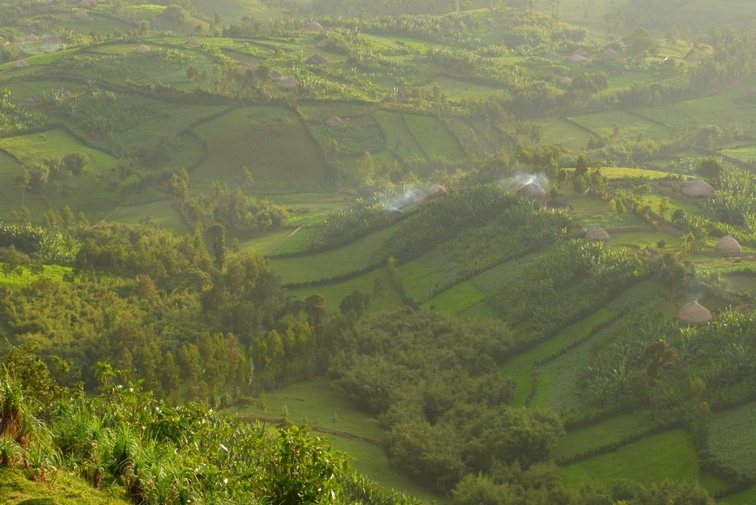
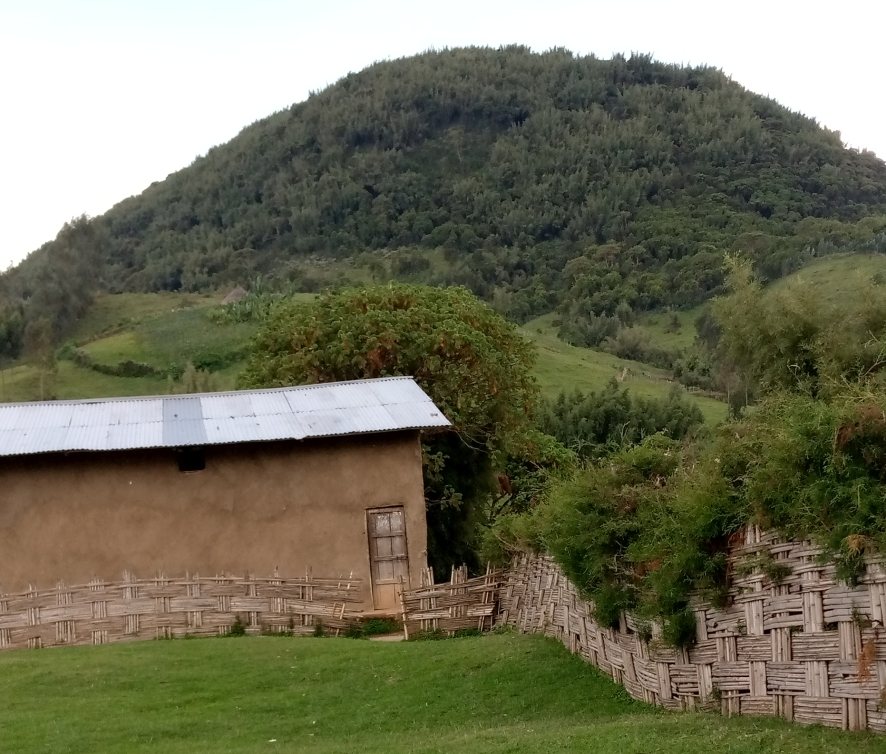
The project began in the Meno Highlands, 65 km southeast of the city of Awassa. The area consists of six kebeles, Ethiopia’s lowest administrative units. 28,000 people live there on about 190 sq km at an altitude of 2,900–3,200 m.
Under Ethiopian law the land belongs to the state; farmers hold a right of use: they may cultivate it and keep livestock, but may not sell it. The staple foods are enset and barley, alongside kale, onions, garlic and beetroot.
The landscape is very hilly. Two rainy seasons bring 2,000 mm of rain a year. Average temperatures lie between 10 and 15 °C, with extremes of 0 and 20 °C.
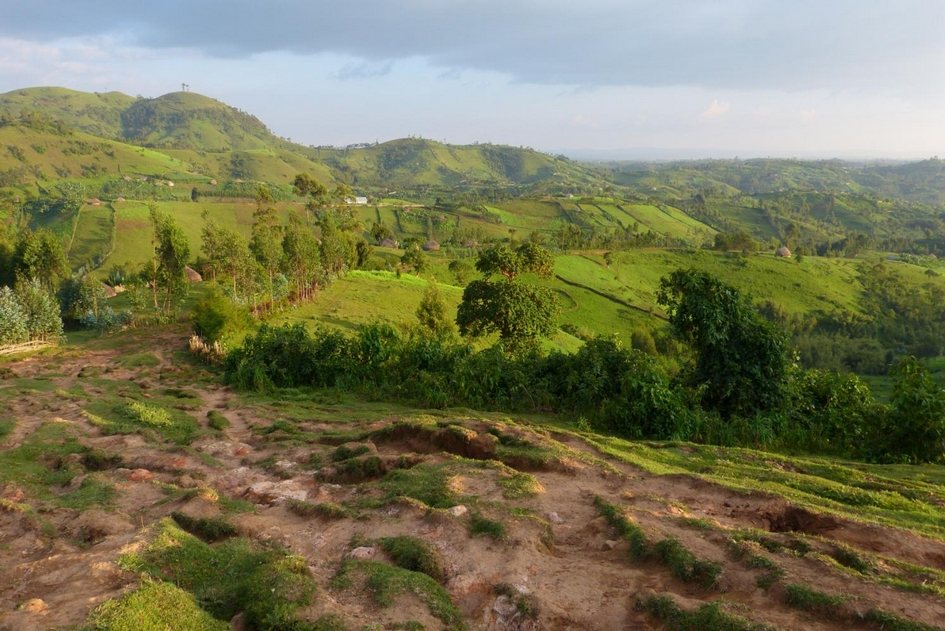
Livestock farming is a key livelihood. Besides cattle, people keep sheep, goats and horses, and the number of cattle also determines a farmer’s status. Overgrazing becomes a problem: cattle graze everywhere, browse new vegetation and trample the soil.
In the last decades of the 20th century many forests were also cut down for firewood and timber. That made the soil even more prone to erosion, and already scarce farmland was lost.
The goal of the first two phases was to reforest land in the Meno-Mollo kebele and make it resistant to erosion, while also making cattle breeding and dairy farming more efficient.
In the third phase the model was transferred to other areas nearby. The fourth phase has been running since 2026.
The animal scientist comes from the Meno Highlands. Under his leadership, proven measures have been adapted to the region and put into practice.
The two cooperatives founded by the participating farmers have run the subprojects independently since 2016.
They monitor compliance with the conditions and manage the funds, and are themselves overseen by the district government and an independent organisation.
Participating farmers receive a premium after five years if they have met the project’s conditions.
The fourth phase has been running since the start of 2026. The project comprises several subprojects; the 2025 general meeting adopted eight concept building blocks for it.
Since 1997 the project has grown step by step – from the first tree nursery to extending the model to entire neighbouring regions.
Main goal: protection against erosion through reforestation across six kebeles (~3,100 households).
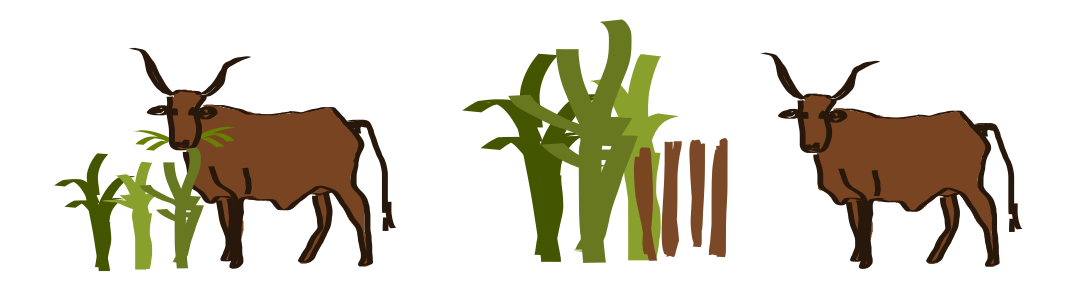
From 1999 a tree nursery on the Lalita stream raised over 100,000 seedlings a year; farmers contributed a third of the costs through their own labour. Rather than laborious individual fences, grazing-exclusion areas (30 ha) brought the breakthrough – cattle were moved into stables and fed with mown grass.
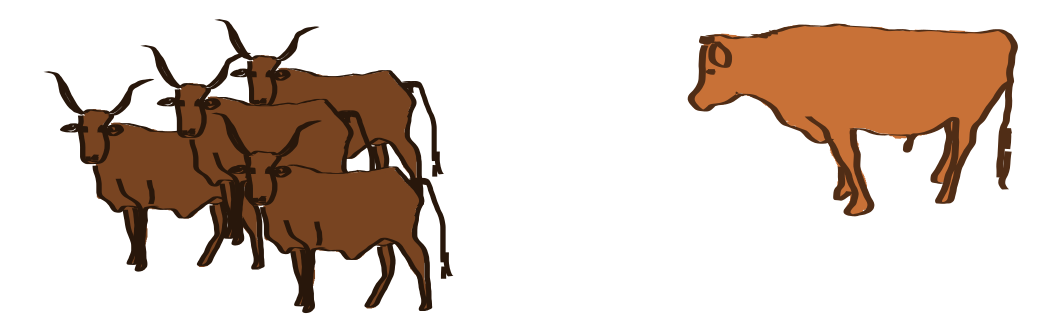
In 2003, we quintupled the milk yield of the cows through crossbred Jersey bulls. This included wells, school equipment (three schools, six buildings), apple tree cultivation, heifer and sheep programs (300 families), modern beekeeping, and solar power.
Two newly founded cooperatives took over the projects on their own. Result: an additional 63 ha sustainably farmed and reforested by 17 farmers.
Anyone who farmed their land by the rules for five years (3–10 ha of grazing exclusion, stable-keeping of Jersey-Zebu cows, modern beehives, prescribed tree species) received a premium of 5,000 ETB (Ethiopian birr) per hectare – paid out to 17 farmers in 2021, along with certificates of recognition.
A milestone was the women-run milk shop in Tuticha (since discontinued – today the cooperative trades in lambs). Satellite analyses show that forest cover grew again during the project years.
40 farmers took part at the start. In 2019 we funded extra lessons for the final classes at Mollo school: 37 of 39 pupils passed the national exam, the school’s best result ever.
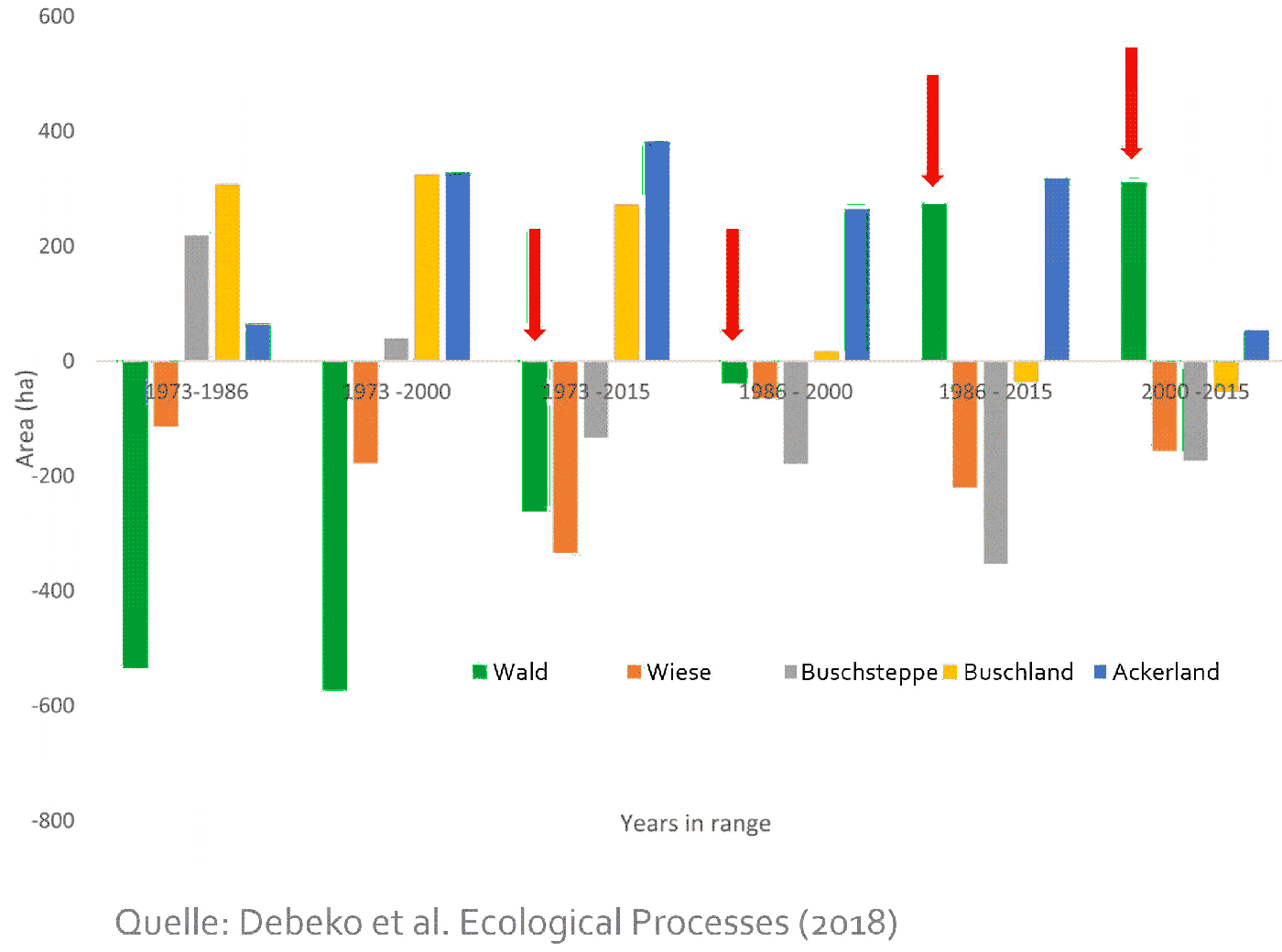
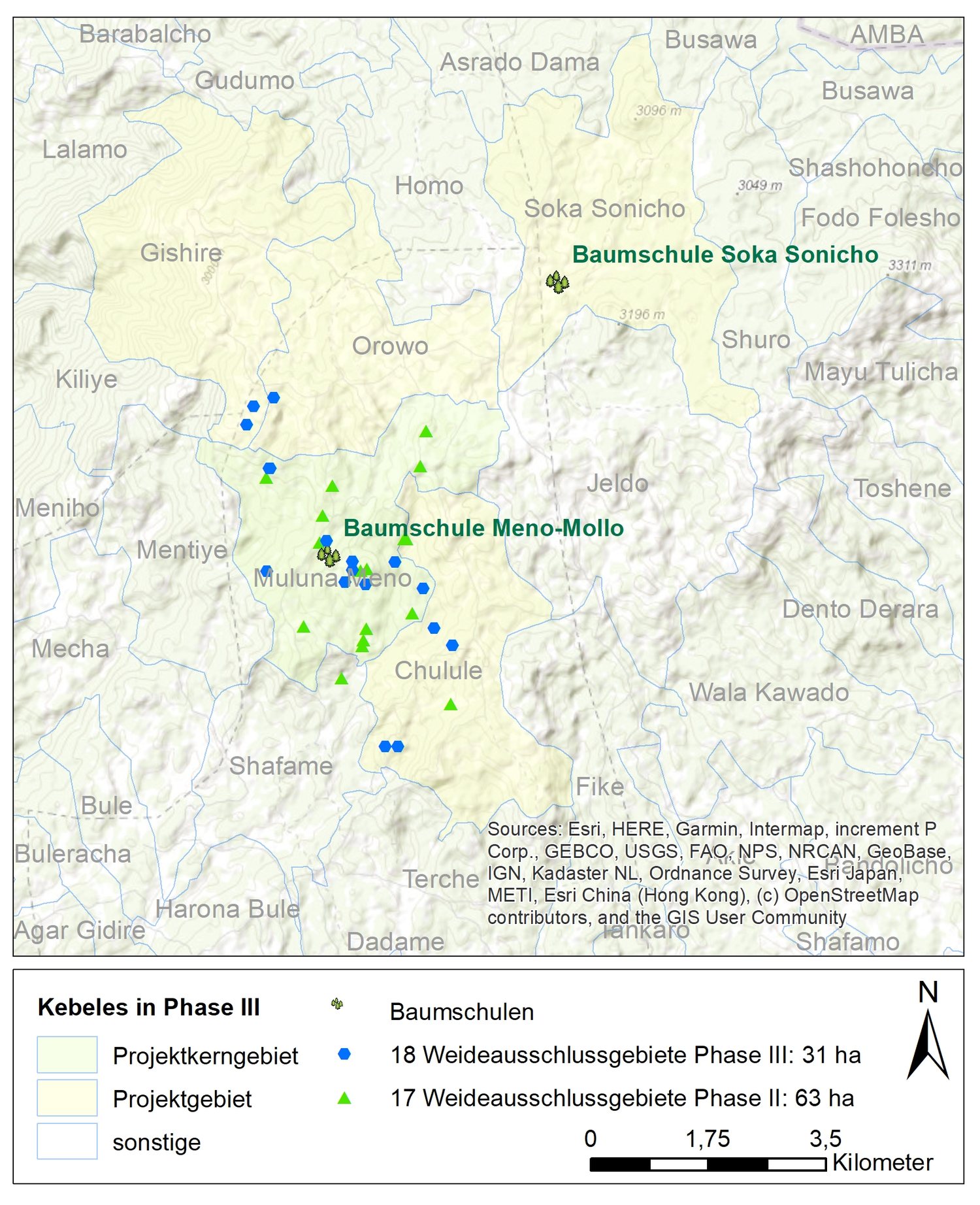
At the request of neighbouring farmers, the successful model is now being extended to further kebeles around Meno-Mollo (Orowo, Gishire, Soka-Sonicho, Chulule).
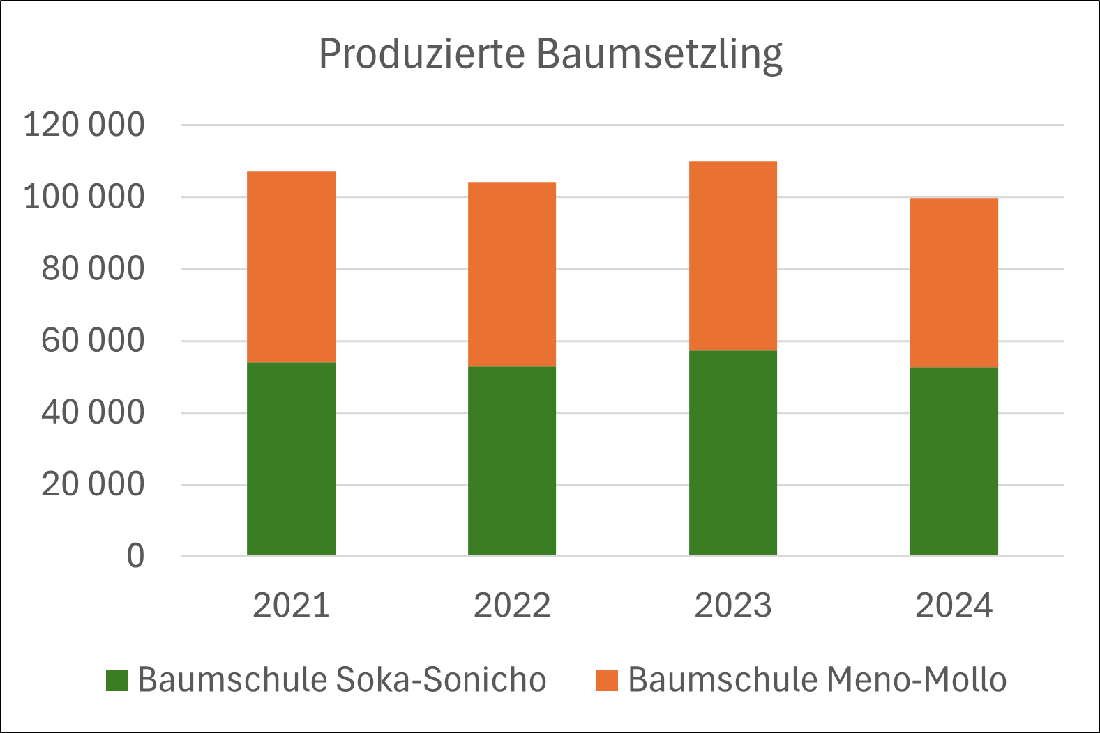
Two tree nurseries (Soka Sonicho and Meno-Mollo) raise around 100,000 seedlings a year; 16 farmers take part with 18 grazing-exclusion areas across 31 ha. Plus bull breeding and – funded by the state network ELAN – modern honey production with 21 beehives and a demonstration site.
Cost: around €18,000 per year. The project lead remains Dr. Denbeshu Debeko, supported by his son Ermias.
Each nursery pays one technician, two guards and seven day labourers. The seedlings go to farmers and schools, and some to government reforestation programmes. Two information meetings drew officials and about 100 farmers.